
The human mind likes the number three.
This probably boils down to the way we view events; everything has a beginning, middle and an end. Nowhere is this way of thinking more prevalent than in our fiction. When someone decides that they will tell a grand tale, a certain word will find its way into the conversation sooner or later;
Trilogy.
If you were to go to your local coffee shop and talk to all the ‘writers’ about what they’re writing, they would… probably cry with delight that someone was paying attention to them. But once they got that out of their systems, there would be good odds that the novel or screen play they were writing was the first of a planned trilogy.
However, while some of the most popular movie extravaganzas come in threes, sometimes our fixation with slicing plots into three goes a little too far. Writers who dream about writing the next Lord of the Rings and companies who dream about making people pay three times for one narrative, often make the same mistake; the mistake of stretching a plot into three films, when it could be done in two or less.
So what makes a good trilogy? What are the warning signs you should look for when planning a trilogy? And where can you get the best deal on your car insurance? Two of these three questions will be answered in the following paragraphs.

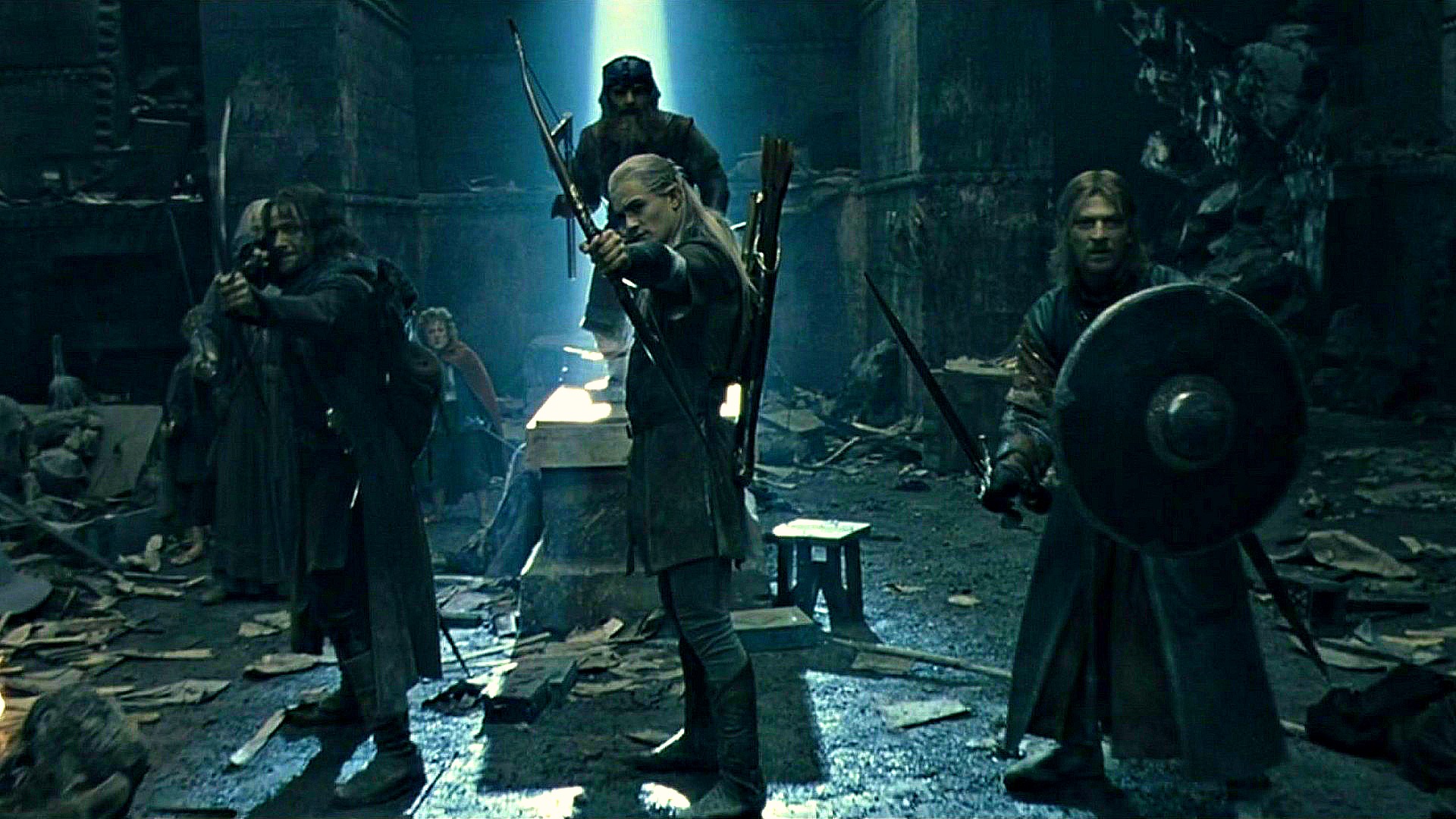
The Lord of the Rings – how trilogies should be done.
The first element we have to look at is what type of plot it is. Is it like The Lord of the Rings, where it’s one coherent plot with two cliff-hangers and a happy(ish) ending? To be honest, plots like these are the easiest to mistakenly make into trilogies. An important test to do with this kind of trilogy is to cut out all the non-essential stuff and see if you still require three movies. You know the type; they fall a little bit too much in love with themselves and don’t realise that the audience bought their ticket because they wanted to see gun-toting, Kung Fu action, not scene, after scene of philosophising.
I probably gave it away there, but a perfect example of this kind of mistake is the Matrix trilogy. The first film wowed audiences with slick Kung Fu battles and bullet time back before it became played out. Matrix Reloaded was a bit shaky, but still full of what audiences had come to expect from the franchise and Revolutions was… what should have been the ending to Reloaded, injected with a lot of needless filler. Seriously, shorten some of the many extensive fight scenes in Reloaded and attach the relevant stuff from Revolutions (the talk with the Oracle, plus the final showdown with Smith) and we’d have ourselves an awesome duology.

The Matrix – they really should have left it after the first one
One thing the Matrix trilogy did get right was that first film in the trilogy stands by itself, but sets up for future instalments at the same time. This, of course, means that the only cliff-hanger ending is the one between films two and three. Now this clearly isn’t essential if your trilogy is based upon an existing, popular story (Lord of the Rings once again), but it’s a common sign of a good trilogy, like the original Star Wars trilogy or Back to the Future.
The reason this is the case is because it generally happens when the creators either weren’t planning to, or expecting to be able to, make a trilogy. If you only know for certain that you’ll get one film, it’s less likely that you’ll let needless filler slip into the script. You’re also less likely to forget what will appeal to the audience when you don’t have glowing visions of how awesome your trilogy is going to be. I’m all for writing the story you want, rather than trying to exploit the desires of the audience to propel a sub-par story to commercial success (I’m looking at you, Twilight); but the point of telling a story is to entertain the people you’re telling it to, not yourself.
Reeling things back to the original point, there is a second type of trilogy; the type where each instalment is a self-contained adventure involving the same characters and settings. Naturally, this is the more common type of trilogy and they tend to come about by a studio executive saying the ancient incantation passed down since the dawn of humanity; ‘That made money. More please!’
Now, while there isn’t any guarantee that three films will be made, if a film was popular enough for a sequel to be green lit, a third film will probably be attempted unless instalment number two completely bombs. How closely tied together the instalments are, depends on the franchise in question. Perhaps the bad guy from the previous film wants revenge, or maybe the hero will end up fighting someone completely unrelated, but each film will be watchable without requiring the viewer to have seen the previous one. The self-contained nature of each outing is either a blessing or a curse, depending on how it’s handled.
The blessing side of it is that you can focus on making each individual film as good as it can be, without worrying about having to set up plot points that won’t pay off until a future instalment. At the same time, you still have familiar characters and elements to draw audiences back to see it. A good example of this would be the Indiana Jones trilogy (because, as we all know, there are only three Indiana Jones films and one awful parody involving Shia LaBeouf). Each film has familiar elements, while bringing enough to the table to avoid being a re-tread of the previous one.
The curse side of it is when the sequels are driven more by the executives’ dreams of having their own money pit than by enthusiasm on the part of the creative team. The original three Die-Hard films are a depressing example of this. While they make an effort to put John McClane in different situations, these only serve as a backdrop to John getting punched around a lot while his marriage steadily breaks down.
So, hopefully, this has been food for thought for those of you planning to write your own epic trilogy of films. If not, then don’t worry; two more articles on the subject should soon follow.
Actually, probably not; go read a book or something.







No Comments